Building the Skills Behind Better Data: How GIST is Strengthening Statistical Systems
_________________________________________________________________________________________________
Commitment: Strengthing national statistical capacities by adopting a strategic approach to learning and training
Sponsoring Organization: Global Network of Institutions for Statistical Training (GIST)
Supporting Organization: United Nations Statistics Division (UNSD)
Authors: Bianca Walsh, Alexander Loschky
Publication Date: 22 October 2026
_________________________________________________________________________________________________
The Global Network of Institutions for Statistical Training (GIST) unites the collective efforts of key institutions across the international statistical system, including National Statistical Offices (NSOs), regional agencies, and non-governmental entities dedicated to developing national statistical systems.
GIST addresses the urgent call for a coordinated global effort to build statistical capacities towards the 2030 Agenda for Sustainable Development. Established in 2018 at the 49th Session of the UN Statistical Commission, GIST responds to the Cape Town Global Action Plan for Sustainable Development Data, launched at the first UN World Data Forum in 2017, which identifies statistical training as an essential area for action. In today's complex data ecosystem, harmonizing training across institutions ensures that statistical systems receive standardized, high-quality, and modern learning resources to track progress and meet global data demands.
Practical tools for stronger statistical capacity
GIST has delivered educational resources, publications, and global knowledge-sharing platforms. A flagship effort is the Statistical Training needs Assessment Tool (STAT), designed to help NSOs conduct training needs assessments, prioritize gaps, and build sustainable capacity-building plans.
To date, STAT has been implemented across multiple regions:
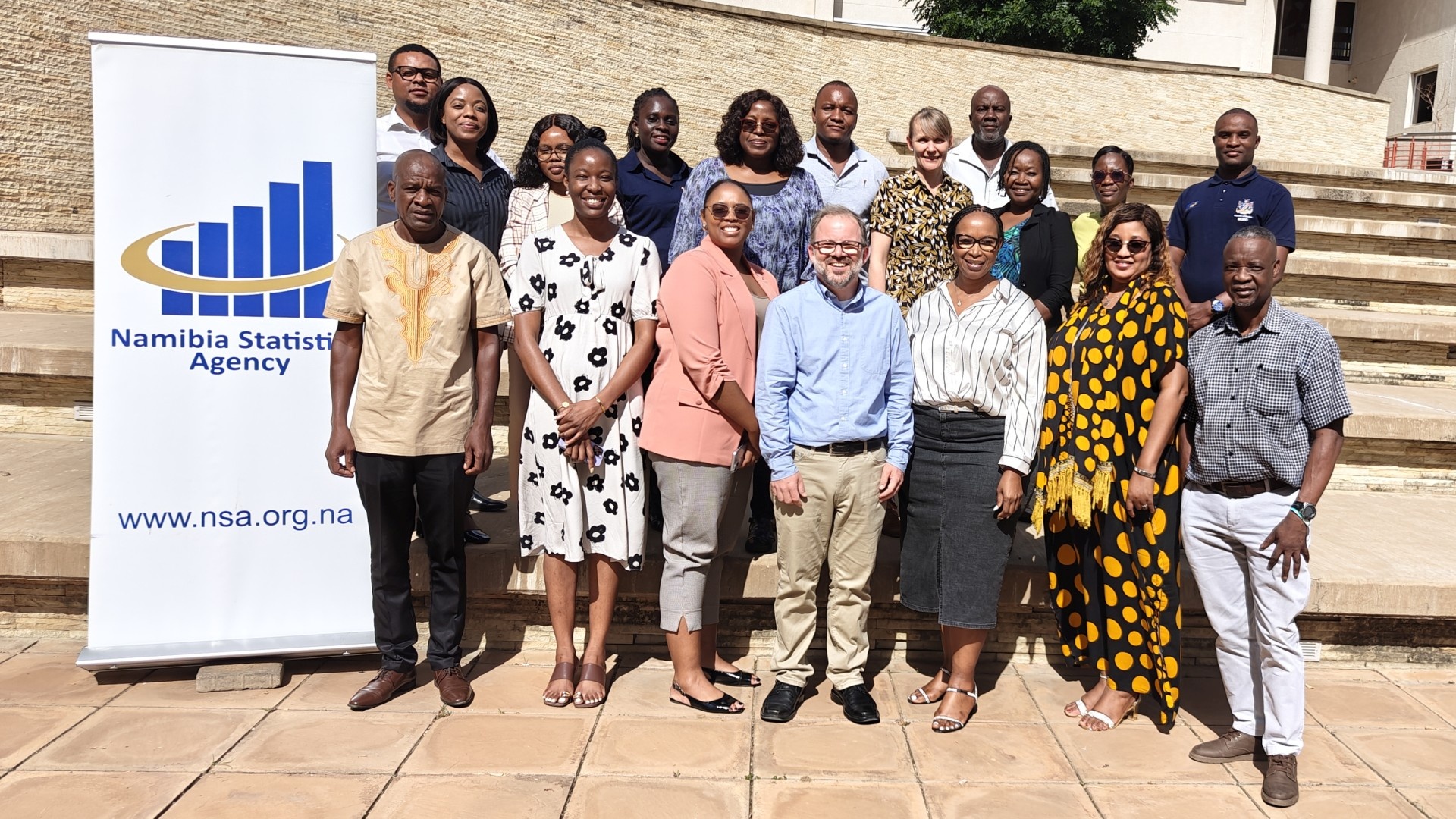
Africa: Kenya, Seychelles, Ghana, Morocco, and Namibia;
Asia-Pacific: India and Bangladesh;
Latin America & the Caribbean: Colombia.
Efforts at GIST are driven by four specialized Task Teams:
Task Team 1: Addressing NSO Needs
Task Team 2: Learning Culture and Knowledge Sharing
Task Team 3: Innovation and Data Literacy
Task Team 4: Translation and Accessibility

Key achievements include guidance documents on e-learning, sustainable training plans, an inventory of statistical literacy initiatives, and an active webinar series covering emerging topics like AI literacy, algorithmic literacy, data visualization, and citizen data. Additionally, GIST supports UN SDG:Learn, the UN-wide learning platform on sustainable development, where GIST maintains a dedicated hub of statistics courses, microlearning and other resources supporting the 2030 Agenda.
Lessons in sustaining collaboration
A primary challenge for GIST is operating with limited financial and human resources, which requires the network to actively seek regional and institutional partnerships to expand its global outreach. Furthermore, network participants are often part-time contributors balancing their GIST involvement with full-time responsibilities at their respective NSOs or regional organizations.
To address these constraints, GIST focuses on demonstrating clear value to its member institutions. By highlighting how active involvement directly builds statistical capacity within their own organizations, GIST seeks broader engagement. The key lesson learned is that leveraging existing regional networks and aligning network objectives with the institutional goals of member agencies is essential for sustaining long-term participation and impact.
Expanding STAT to meet emerging skills needs
Looking ahead, GIST is actively expanding the rollout of the STAT Program. Implementation is starting in the Dominican Republic in October 2026, followed by the Maldives starting in December 2026, with discussions underway to partner with the Brazilian Institute of Geography and Statistics (IBGE) and the Palestinian Central Bureau of Statistics (PCBS). At the same time, STAT is undergoing a technical and substantive review, to be completed by the end of 2026.
The enhanced tool will support translation so that countries can run the assessment in their own language, and its content will be updated to reflect new skill needs, including those arising from the use of AI in statistical offices. The Dominican Republic and the Maldives will be the first to test the enhanced version. UNSD and Open Data Watch will act as custodians of the tool and will systematically collect aggregated results, creating the first cross-country picture of training needs in national statistical offices.
Building a culture of learning and innovation
To remain responsive to evolving modern challenges, GIST is adapting its work in line with its recently updated Terms of Reference. This includes addressing societal demands for data visibility through citizen data, responding to technological disruptions like AI and machine learning, and collaborating with the UN-GGIM Expert Group on the Integration of Statistical and Geospatial Information to uphold the 2030 Agenda’s principle of "leaving no one behind."
Additionally, for 2027, GIST plans to publish a framework on cultivating a learning culture in statistical offices and rebrand its statistical literacy inventory to incorporate technological and data-driven innovations.
To learn more about GIST and contribute with the Network, please check https://unstats.un.org/gist/